Game info
Block puzzle, Logic, Casual
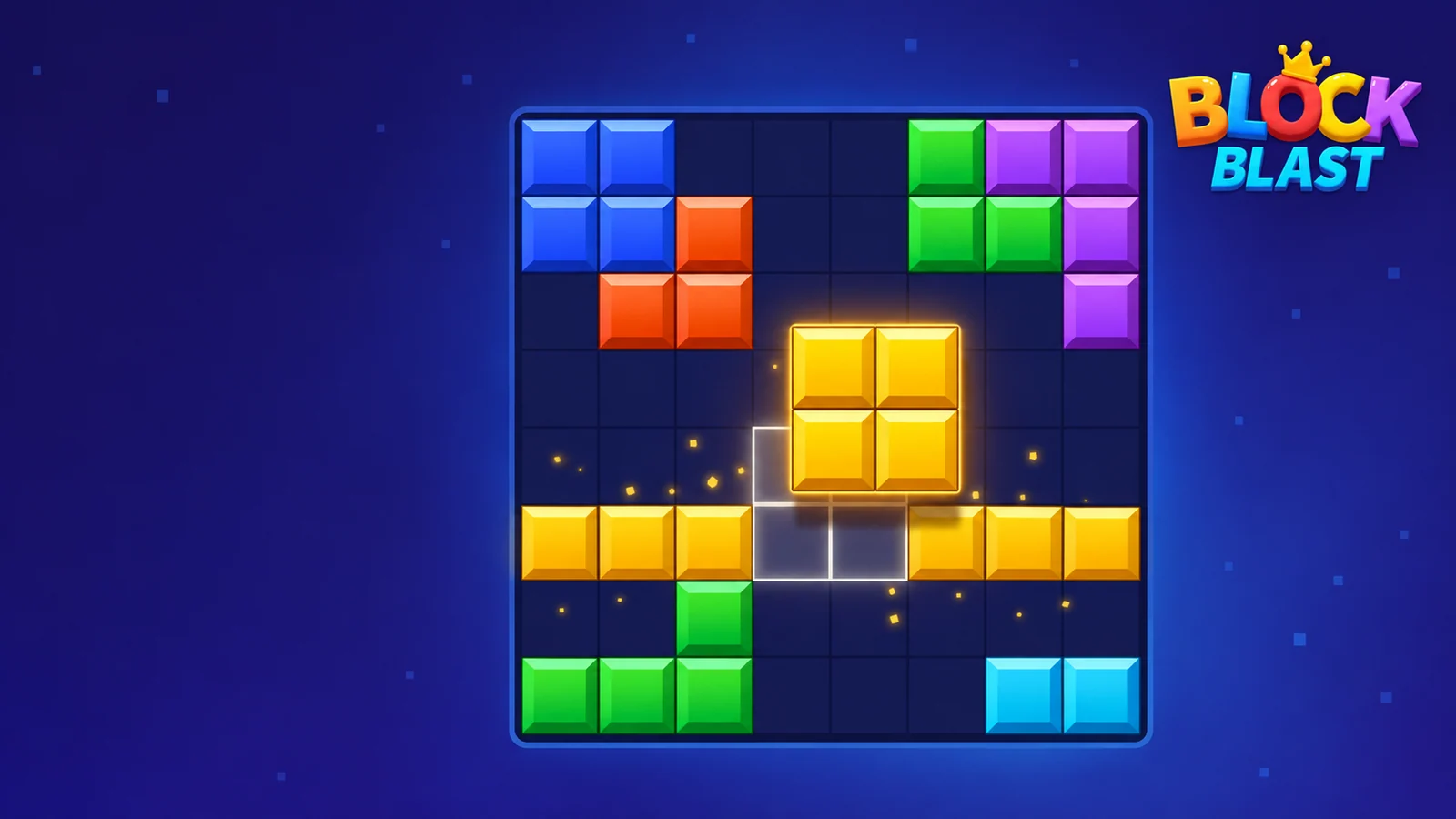
Block Blast! asks players to fit block shapes onto a grid and clear complete lines. The challenge grows from the spaces left behind: a board that looks open can still become unusable when the remaining gaps do not fit the next pieces.
About Block Blast!
Block Blast! asks players to fit block shapes onto a grid and clear complete lines. The challenge grows from the spaces left behind: a board that looks open can still become unusable when the remaining gaps do not fit the next pieces.

Gameplay overview
Inspect the offered shapes, drag a piece onto legal cells and complete rows or columns to clear space. Before placing the first piece in a set, consider where the others could go. A large immediate clear is not always best if it leaves narrow, disconnected pockets.
How to Play
Keep a useful rectangular area available rather than scattering single-cell gaps across the board. Test placements mentally for all visible shapes before releasing the first one. If two lines can be prepared together, leave the right opening for the final piece. Prioritise a legal future over a small score bonus that traps a large shape.
Controls
drag block shapes from the tray to the grid. Browser candidates: mouse drag or touch; grid size, rotation and scoring vary by build.
Pro Tips
- Check all current shapes before the first placement.
- Avoid isolated holes that no offered piece can fill.
- Preserve space for wider shapes.
- Check whether a browser version allows rotation rather than assuming it does.
Making Better Decisions
Try planning a complete set of visible shapes before releasing any of them. One shape may fit in several places, while a wider or awkward shape may have only one legal destination. Place the constrained piece with that limitation in mind. When preparing a line clear, check the cells it will free and whether those cells form a useful space afterwards. A board full of tiny isolated gaps can be less flexible than a board with a smaller but connected open region. Avoid committing to a corner pattern merely because it worked with an earlier set of pieces. The next available shapes determine the problem. Grid dimensions, rotation, scoring and mode-specific rules must come from the actual version rather than a similarly named block puzzle.
Features, Modes and Progression
The official mobile app can contain different modes and changing challenges. A generic block puzzle may share line-clearing mechanics without the same scoring, progression or developer.
Place a shape for the board you will have next
A block that fits now can still make the following pieces difficult to use. Compare the outline of the remaining space before choosing a location. Long narrow gaps and disconnected pockets may be harder to fill than an open area of similar size. If several pieces are visible, plan their order instead of placing the first available one automatically. The aim is not to preserve empty space everywhere, but to preserve space with a useful shape.
Look for the constraint behind a failed round
When the board becomes unmanageable, identify which earlier placement created the awkward gap. That observation gives the next round a useful rule to test. Perhaps a piece needed to be rotated in your thinking, placed on another edge or used after a different shape. Check the active version’s rules rather than assuming that every block puzzle allows the same actions.
The 8×8 board and complete lines
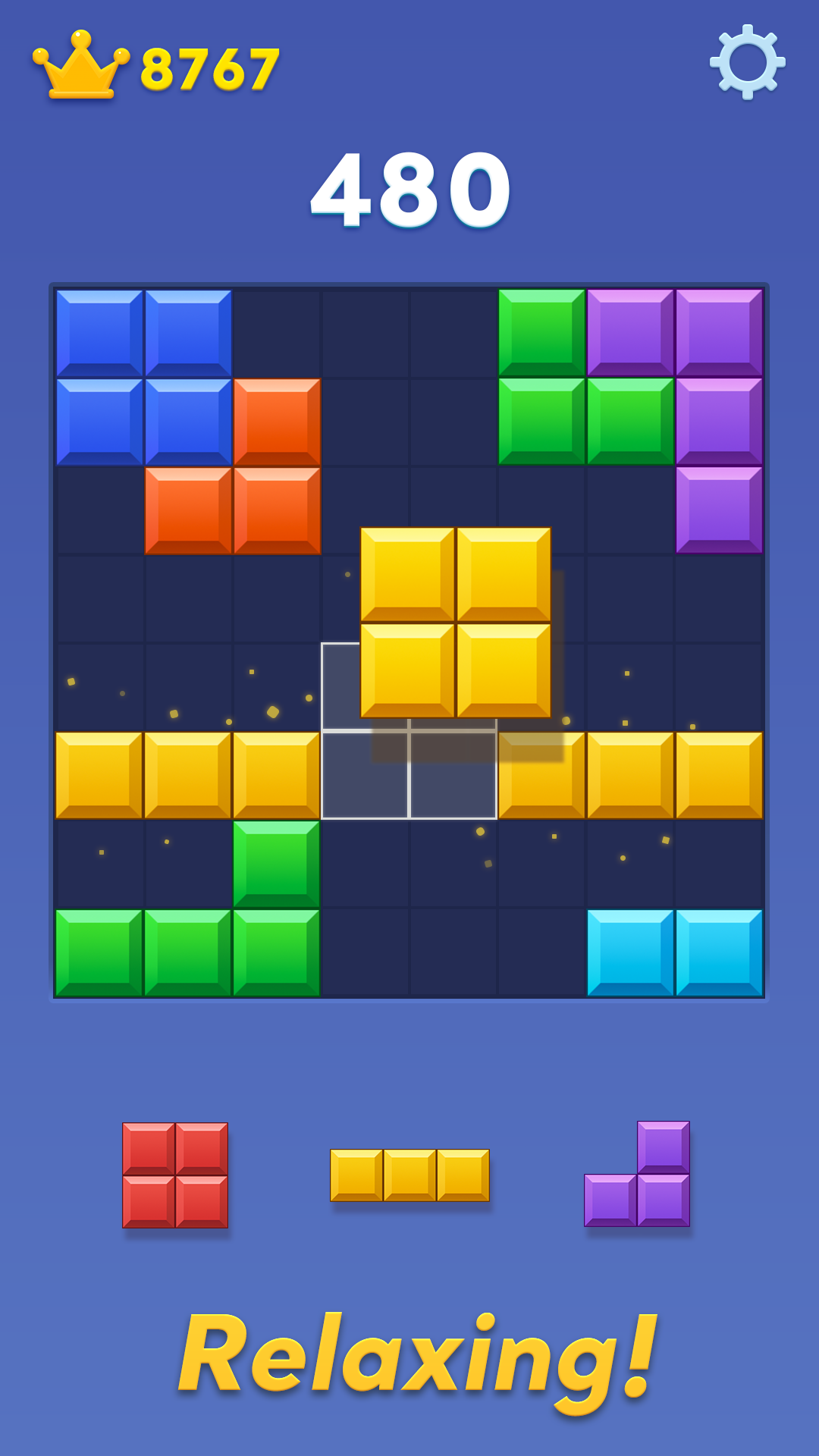
The recorded official Block Blast description identifies an 8×8 board. Blocks occupy cells on that fixed grid, while completed rows or columns clear space. This makes placement order important even though the basic rules are easy to learn. A piece's shape determines where it fits, and a completed line changes the space available for another piece.
The puzzle is about freely choosing useful placements rather than assuming a falling-block action game. Read the selected mode's actual rules before importing habits from Tetris or another title. A board with several offered pieces asks you to compare their requirements before committing to the first convenient location.
Calm pacing can support deeper planning
The published product presents the core puzzle as something to play at your own pace. That gives the empty space itself time to become readable. Look for the most restricted shape, the line a second placement might complete and the connected region needed afterwards. A careful choice does not need a complicated calculation; it needs a clear view of what the next piece can still do.
Use the selected game's own score and completion information when evaluating a round. A remembered scoring trick from another release may not apply. More durable progress comes from leaving useful shapes of space, noticing awkward pockets early and making a placement for the board that will exist after the clear. The familiar coloured blocks are simple objects, but their arrangement creates enough variation for a short puzzle break or a longer thoughtful session.
The board has a shape, not just a number of empty squares
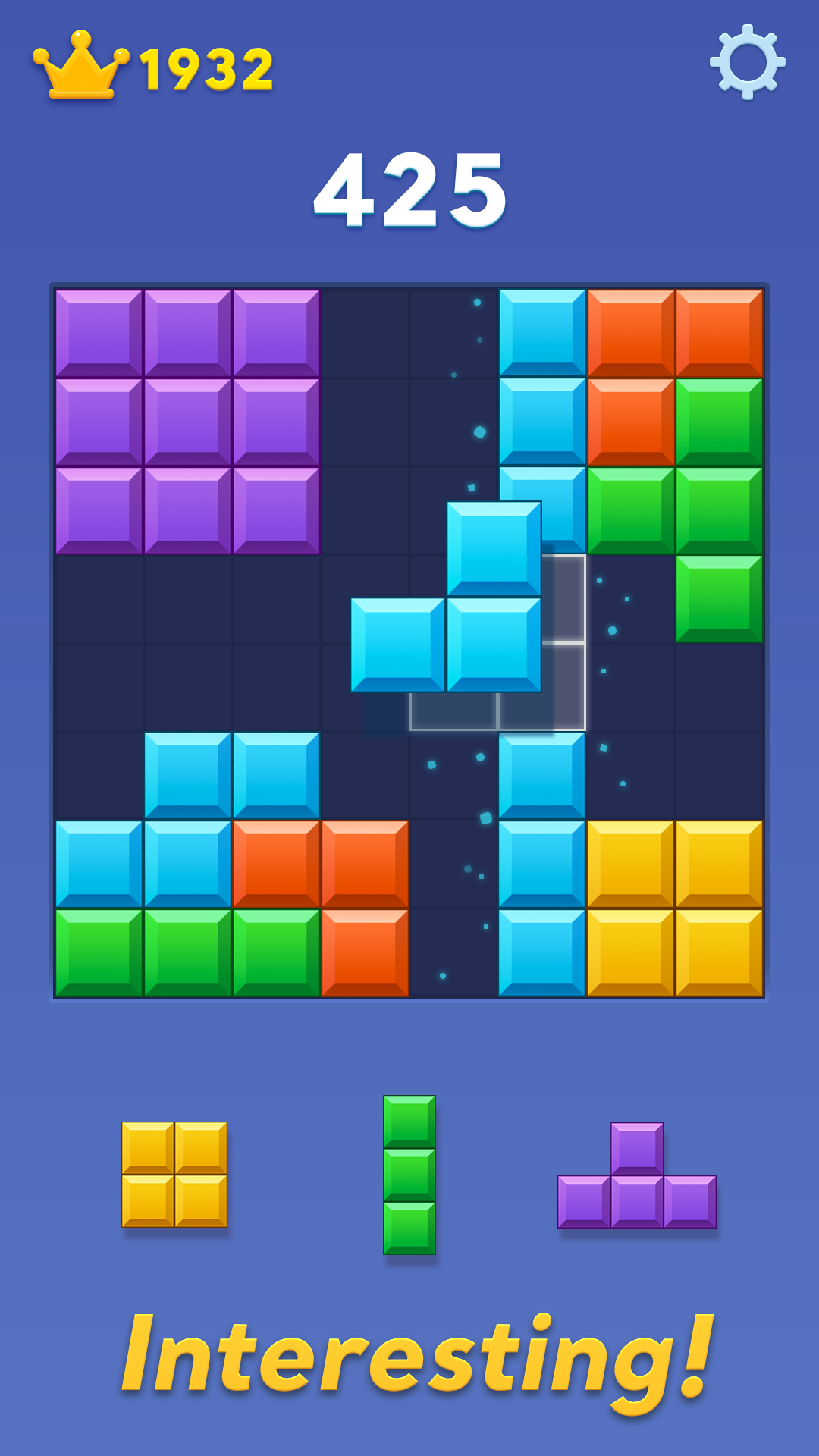
Block Blast is a block-placement puzzle where the outline of free space matters. A board can contain many empty squares and still have no useful place for the next shape. Before placing a block, inspect whether the remaining space will be broad and connected or divided into narrow pockets. A move that fits immediately can make the rest of the hand much harder to use.
Look at every currently offered shape before choosing the order. A large piece may have only one practical destination, while a smaller one may fit in several places. Saving that restricted space can matter more than making the first available placement. Think about which piece is most difficult to accommodate, then compare how the other pieces can support it.
Row and column clears should improve the next position
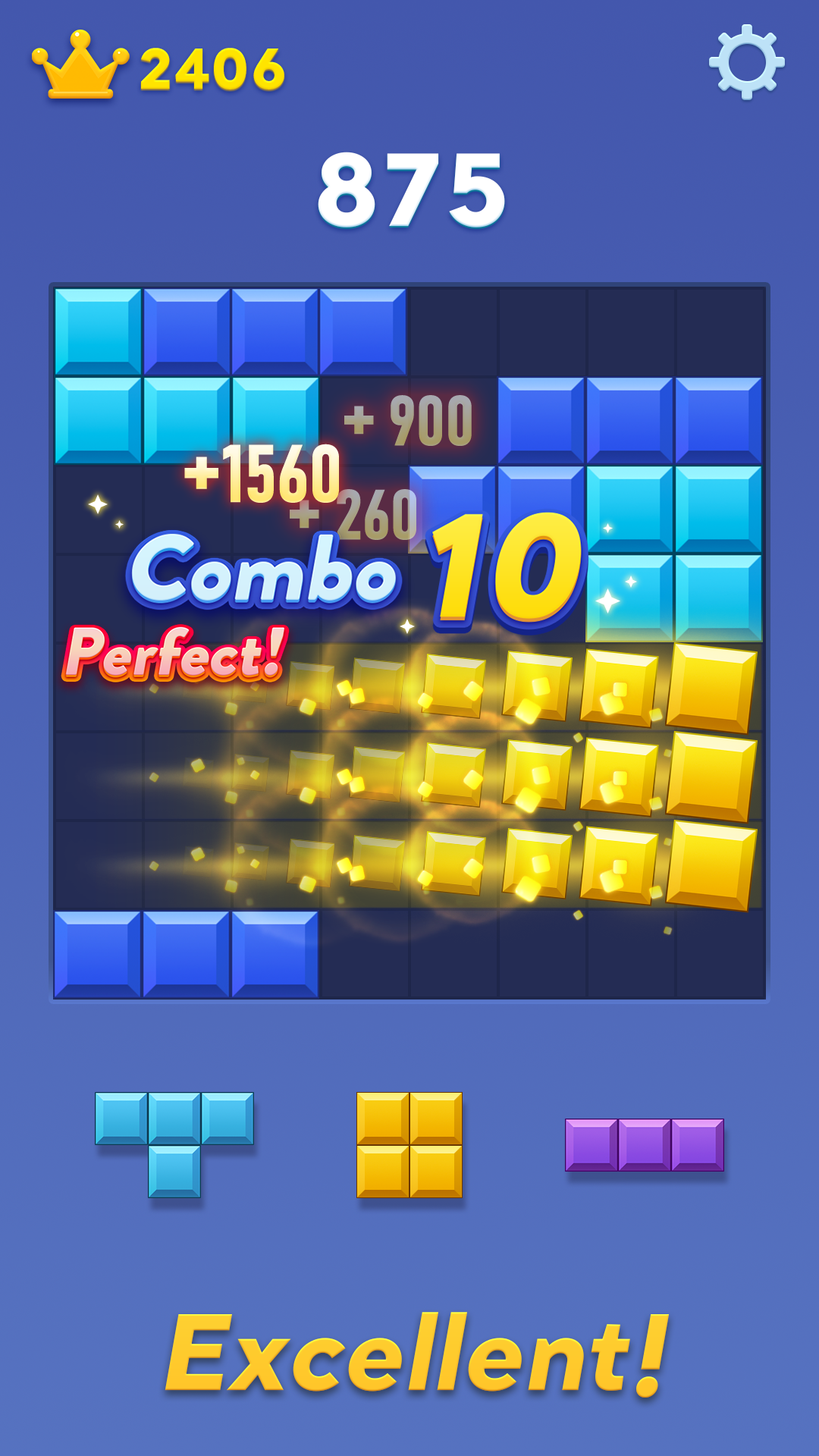
Completing a line creates room, but the position after the clear deserves attention. Ask which spaces will become available and whether they connect with the rest of the board. A small clear that opens a useful central area can be more valuable than a larger-looking action that leaves disconnected holes.
When the selected mode rewards combinations, read how the current game counts them. Avoid assuming that every block puzzle uses identical scoring or that one fixed sequence always produces the best result. The enduring decision is whether the placement preserves useful space while addressing the available shapes. Score and board health should be considered together.
Avoiding the awkward gap that arrives several moves later
Long narrow channels and isolated single cells can become difficult to fill. Notice when a placement creates one, even if the immediate result looks tidy. Compare a position along the edge with a position that splits an open region. The best choice depends on the remaining pieces, not on an automatic rule to start every shape in a corner.
After a round ends, look at the outline of the spaces that remained. The final piece may reveal a constraint created earlier. If a large empty area was divided by one unnecessary placement, practise preserving its connection in the next round. This is more informative than treating the last shape as the only reason the board became unmanageable.
A placement routine for the three visible pieces
Begin by finding every legal destination for the most restricted shape. Then consider whether placing another piece first can create a line clear or make a better destination available. Before committing, mentally remove the completed row or column and inspect the resulting space. This short sequence lets one move support the next rather than treating the offered pieces as unrelated puzzles.
Do not force a complicated plan when a clear safe placement exists. The aim is readable decisions, not endless calculation. If two options appear similar, prefer the one whose result you understand and can compare later. A deliberate pace also helps avoid a touch or drag that leaves a block in a different place from the one intended.
Reading progress without relying on a guaranteed score trick
A useful improvement is being able to explain why a board remained usable for longer. You might have noticed restricted shapes sooner, avoided narrow pockets or chosen a better placement order. Those are skills you can repeat even when the offered pieces change. A promised universal high-score pattern is less useful than understanding the board you actually have.
Hungry Studio is the publisher destination associated with Block Blast. The official store listings below identify the mobile game and its current device requirements. Related block-placement puzzles offer another way to practise space planning, but read their rules again: rotating pieces, falling pieces and freely placed pieces create different problems. Block Blast's appeal is the pause before a placement, when a simple shape can either solve the board or quietly make the next turn harder.
Worked example: a large piece with only one useful home
Imagine that the available pieces include a large shape with one practical destination and a small piece that fits almost anywhere. Placing the small piece first may occupy the only space the larger shape needs. Compare all offered pieces before making the convenient move. Sometimes the best order begins with the restricted shape; sometimes another placement can clear a line and create a better destination for it.
Mentally remove any completed line before judging the result. The empty area after the clear is the board on which the following piece must fit. A move can therefore create a useful opening even when its first position looks crowded. The important comparison is the whole sequence of available pieces, not a screenshot of the board halfway through the plan.
Worked example: plenty of empty squares but no usable shape
A scattered collection of holes is not equivalent to a connected open area. Look for the placement that divided the space. It may have been useful at the time, but the remaining pieces can reveal its cost. On the next board, notice that same outline before closing the opening. A plan to preserve a broad region is more specific than simply trying to keep the board empty.
This does not mean every move belongs at the edge. A central clear can reconnect areas, while a careless edge placement can create a long narrow gap. The current shapes determine which space matters. Compare the resulting outline after each placement and keep the next restricted piece in mind.
Comfortable input and a deliberate end to the move
Make sure the target cells remain visible while dragging or selecting a shape. On a touch screen, your hand can cover the very outline you need to inspect. Use the placement feedback supplied by the game and release only when the intended destination is clear. If a piece lands differently from expected, treat that as an input issue before changing the strategy for the whole board. The puzzle should be about choosing useful space, not repeatedly correcting an uncomfortable gesture.
Related games
Frequently asked questions
Why do I lose with empty cells left?
The remaining cells may not form a legal space for any available shape.
Should I place the largest block first?
Only when doing so leaves legal placements for the other visible shapes; plan the set rather than following a fixed rule.
Who develops or publishes Block Blast!?
HungryStudio
Is the browser player the exact original game?
Portal games carrying Block Blast in the name are not automatically HungryStudio’s build. A tap-away or 2048 merge game is a less exact alternative and is classified separately.
Is it free?
The observed Google Play listing is free to download and offers in-app purchases. A browser alternative has its own provider terms and may include adverts.
Can I use my official account or saved progress in a browser alternative?
No account, purchase or save transfer is established unless the developer explicitly documents it for that build.
What games should I try next?
Compare Block Blast, block puzzle, wood block puzzle, line clearing. The related list prioritises shared mechanics and preserves each game’s real identity.
Good game? Tell us.0
Share a tip, celebrate a high score, or tell us what you think. Keep it friendly.